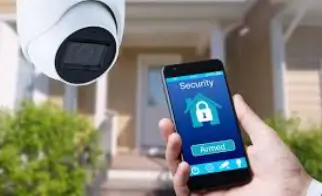
Smart security systems integrate sensors, cameras, and analytics to monitor environments in real time. They blend edge processing with cloud insights to optimize alerts and responses. Data governance, access controls, and privacy considerations shape deployment decisions. Yet questions remain about resilience, data residency, and accountability in ongoing maintenance. As platforms evolve, stakeholders must weigh protection against transparency and user autonomy, leaving critical trade-offs for further examination.
What Are Smart Security Systems Really Do?
Smart security systems are comprehensive networks designed to monitor, detect, and respond to potential threats within and around a property. They operate through sensors, cameras, and cloud analytics, translating signals into alerts and automated actions. This architecture raises privacy tradeoffs and questions of data ownership, requiring careful evaluation of where data resides, who controls it, and how retention policies align with individual freedoms.
How AI Elevates Home and Business Protection
Artificial intelligence enhances home and business protection by enabling real-time anomaly detection, adaptive threat assessment, and automated response orchestration across diverse sensing modalities.
AI systems leverage edge detection for on-device filtering, reducing latency while preserving privacy.
Data streams are organized for diagnostic confidence, with secure cloud storage supporting retrospective analysis, policy updates, and audit trails—ensuring scalable, transparent, and resilient protection without compromising user autonomy.
Choosing the Right Setup: Platforms, Sensors, and Privacy
Selecting an appropriate setup involves balancing platform capabilities, sensor modalities, and privacy safeguards to meet defined protection objectives. Platforms differ in interoperability, update cadence, and local vs. cloud processing implications.
Sensor choices shape intrusion coverage and false-alarm rates. Privacy trade offs arise with data flows, while data sovereignty considerations dictate where recordings reside and who can access them, ensuring transparent governance.
From Installation to Everyday Use: Getting the Most From Your System
A systematic transition from installation to ongoing operation is essential to maximize effectiveness and reliability, ensuring the system performs as intended under real-world conditions.
The discussion analyzes practical workflows, emphasizing installation basics and disciplined maintenance.
It reviews data-handling implications, prompts for regular testing, and leverages user tutorials to empower autonomous management, while preserving privacy, security, and freedom of choice within evolving smart environments.
Frequently Asked Questions
How Secure Are Smart Security Systems Against Hacking?
Smart security systems exhibit notable security vulnerabilities and privacy risks; attackers may exploit weak authentication, outdated firmware, and insecure cloud interfaces. Thorough risk assessment and layered defenses—encryption, regular updates, access controls—are essential for users seeking freedom and resilience.
Do These Systems Require Ongoing Subscription Fees?
Yes, some systems require ongoing subscription fees for cloud features and security updates, while others offer perpetual licenses with optional ongoing costs; third party integration and security updates influence total cost, emphasizing transparent ongoing cost structures.
Can I Use Third-Party Cameras With the System?
Yes, third party cameras can be used depending on the system compatibility; compatibility varies by model and protocol, requiring careful verification of ONVIF support, firmware limitations, and feature parity before integration.
What Happens During a Power or Internet Outage?
Anyway, during a power outage the system may failover to a local battery, preserving critical alerts; during an internet outage, local processing may continue briefly, but cloud-dependent features suspend until connectivity returns. Power outage and internet outage remnants persist.
See also: Why Cryptocurrency Matters in Today’s Economy
Are Smart Locks Compatible With Existing Door Hardware?
Are smart locks compatible with existing door hardware? They vary by model; compatibility concerns focus on strike types, door thickness, and backset. Installation considerations include retrofit options and potential hardware conflicts; installation challenges require professional assessment for reliable accessibility and freedom.
Conclusion
The rise of smart security systems consolidates vigilance, automation, and analytics into a cohesive network. By integrating sensors, cameras, and AI-driven decisions, installations become proactive guardians rather than passive devices. Through clear data governance, layered access, and residency-aware processing, users gain transparency, control, and accountability. With meticulous deployment, ongoing monitoring, and rigorous upkeep, privacy and protection align. In this ecosystem, consistency, scalability, and stewardship unify to transform security from reactive alerting to resilient, informed defense.
