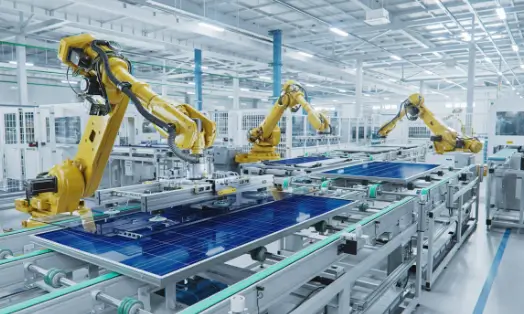
Smart manufacturing systems integrate data, connectivity, and intelligence to optimize the full production lifecycle. They leverage real-time analytics, edge computing, and cloud-enabled governance to enable autonomous decisions and resilient supply chains. Benefits include efficiency gains, agility, and continuous improvement, but cybersecurity and data governance pose ongoing challenges. As pilots scale and standards mature, organizations must weigh trade-offs and readiness indicators to pursue sustainable, autonomous optimization. The stage is set for deeper, data-driven transformation beyond pilot projects.
What Makes a Smart Manufacturing System Today
Smart manufacturing systems today are defined by their integration of advanced analytics, real-time data streams, and adaptive control across the production lifecycle. They centralize decision-making with data governance and leverage cloud integration to scale, secure, and democratize insights. The approach favors modularity, interoperability, and continuous improvement, enabling autonomous optimization, resilient supply chains, and clearer risk management for an empowered, freedom-loving enterprise.
Building Blocks: Data, Connectivity, and Intelligence
Data, connectivity, and intelligence form the foundational triad of modern smart manufacturing, where robust data gathering, secure and scalable connectivity, and actionable insights converge to drive visibility and control across the production lifecycle.
This triad enables resilient operations through data governance and edge analytics, unlocking real-time decision-making, autonomous workflows, and scalable architectures that empower organizations to pursue freedom with precision and accountability.
Benefits, Trade-offs, and Real-World Use Cases
The benefits, trade-offs, and real-world use cases of smart manufacturing emerge from a clear balance between heightened efficiency and the complexity of implementation. AI integration drives predictive maintenance and agile production, yet cybersecurity risks threaten resilience. Data-driven benchmarks reveal cost-to-benefit trajectories, while scalable pilots demonstrate real-world viability. Forward-looking metrics, risk-aware planning, and autonomous optimization underpin sustainable freedom for manufacturers.
See also: The Rise of Smart Security Systems
Actionable Pathways to Start Your Smart Factory Journey
A pragmatic starting point for a smart factory journey is to align objectives with measurable outcomes, establishing a clear linkage between automation initiatives, data governance, and financial viability. Practically, organizations map pilots to value, deploy edge computing for latency-sensitive insights, and codify governance to ensure data quality. This disciplined approach enables scalable, autonomous operations and sustained competitive advantage through transparent, data-driven decision making.
Frequently Asked Questions
What Are the Key Risks in Smart Factory Cybersecurity?
Key risks in smart factory cybersecurity include data privacy breaches, increased attack surface, supply chain vulnerabilities, and ransomware. The analysis emphasizes robust incident response, continuous monitoring, encryption, access control, and proactive risk governance to preserve operational freedom and resilience.
How Do You Measure ROI for Smart Manufacturing Projects?
ROI modeling quantifies benefits and costs, enabling prudent investment decisions for smart manufacturing projects. It emphasizes data governance, milestone tracking, and scenario analysis, delivering forward-looking metrics while preserving operational freedom and adaptability.
What Skills Are Required for a Modern Manufacturing Workforce?
Like a compass guiding ships, the modern manufacturing workforce requires core literacy in automation, data literacy, problem-solving, adaptability, and safety; experience design and workforce engagement shape continuous improvement, aligning talent development with strategic goals and measurable outcomes.
How Scalable Are Smart Manufacturing Systems Across Plants?
Smart manufacturing systems scale across plants through scalable interoperability and standardized frameworks, enabling cross-site data sharing, modular deployment, and consistent governance; findings suggest rapid, repeatable expansion with minimal custom integration, empowering decentralized operations and autonomous decision-making.
What Is the Typical Timeline to Full Implementation?
The typical timeline to full implementation spans 12–36 months, with timeline milestones aligned to implementation dependencies, cybersecurity risks, ROI measurement, and workforce skills; scalability across plants expands progressively; ongoing risk assessment, funding, and cross-site integration shape the path.
Conclusion
A smart manufacturing system thrives when data, connectivity, and intelligence converge into open, scalable operations. In one plant, a single sensor anomaly trimmed downtime by 20% within a week, illustrating how granular visibility accelerates action. Across industries, pilots show that autonomous adjustments reduce waste and bolster resiliency, provided governance and cybersecurity keep pace. The path forward is data-driven and iterative: pilot, measure, scale, and continuously refine to transform risk into reliable, sustainable competitive advantage.
